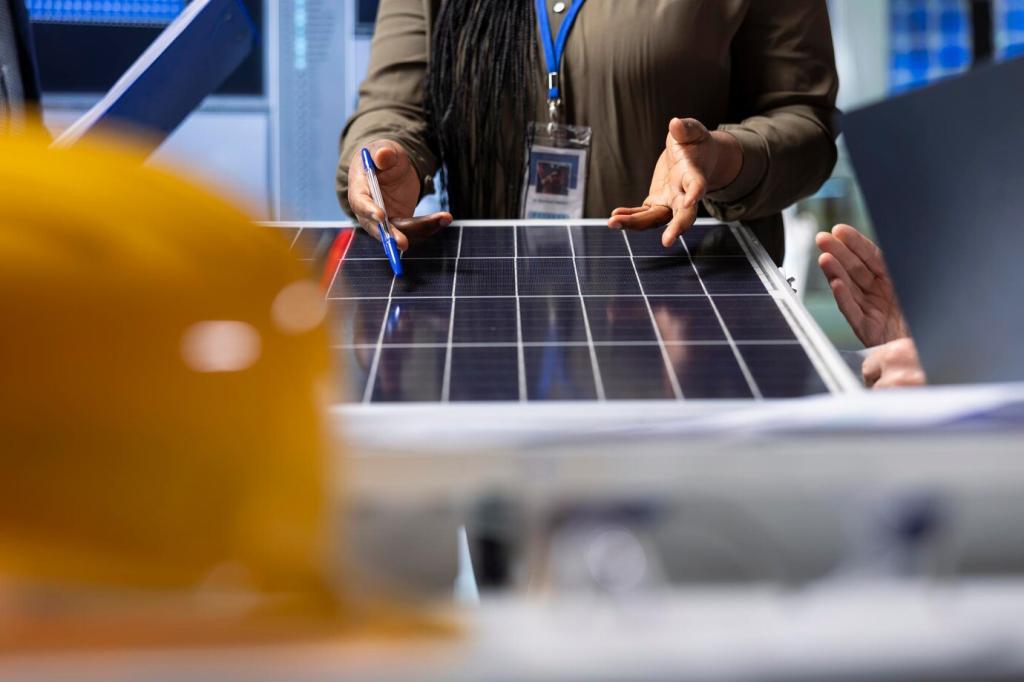



Leasing Sunshine, Shrinking Footprints

Chosen theme: Environmental Impact of Leasing Solar Panels. Explore how lease structures influence carbon savings, waste, supply chains, and real homes. Join our community—ask questions, share your lease story, and subscribe for practical, planet-minded insights.

Lifecycle Carbon Footprint of Leased Solar

Whether leased or owned, panels are made the same way; the difference is how quickly they displace fossil electricity. Most systems repay their manufacturing energy in roughly one to four years, then deliver decades of net climate benefit. Tell us your system’s payback estimate.

Lifecycle Carbon Footprint of Leased Solar

Leases often include performance guarantees and remote monitoring, catching dips in output early. Fewer underperforming months mean more clean kilowatt-hours displacing dirtier grid power. Have a data portal? Share a screenshot of your production curve and lessons learned.

Leasing as a Catalyst for Cleaner Grids

By replacing big upfront payments with predictable monthly bills, leasing moves projects from wish list to rooftop. That acceleration matters because emissions avoided this year weigh more than those avoided later. Have you noticed neighbors installing after you did? Share the ripple effect.

Circularity and Panel End‑of‑Life in Leasing

Contractual Responsibility Drives Take‑Back

Leasing companies often retain ownership, making them responsible for removal and proper disposition. This alignment can enable standardized take-back logistics and higher recovery rates. Check whether your lease mentions recycling; if not, ask and post the response for others.

Second Lives Through Refurbishment

Panels rarely fail completely; many lose only modest efficiency. Owners of leased fleets can triage, refurbish, and redeploy modules to lower-insolation sites, extending useful life. Have you seen second-life panels in schools or sheds? Share photos and outcomes.

Recycling Pathways Are Improving

Glass, aluminum frames, and some metals are increasingly recoverable, and specialized facilities are growing. Leasing portfolios create consistent volumes that help recyclers scale. If a recycler operates near you, note its capabilities so readers can map regional options.
Avoiding Greenfield Development
Rooftop leases repurpose existing surfaces, cutting habitat disturbance and soil sealing compared to new ground-mounted arrays. For dense neighborhoods, that’s a big win. Tell us your roof type and whether any structural upgrades were needed to safely host panels.
Heat, Shade, and Building Comfort
Panels can shade roofing, reducing heat gain and prolonging membrane life. Some lessees report cooler top floors and lower summer peak loads. If you track indoor temperatures or HVAC run time, share before-and-after data to help quantify these co-benefits.
Wildlife, Runoff, and Practical Details
Pest guards deter nesting under arrays, and conduit planning avoids rainwater pooling. Lease providers often standardize these details, reducing small but real environmental nuisances. Did your installer add bird netting or improve drainage? Post your best-practice tips.

Beyond Panels: Inverters, Storage, and BOS Impacts

String or microinverters typically last 10–15 years. Leases that include replacements prevent downtime, limiting lost clean generation. Ask your provider about spare parts and warranties, then comment on how proactive swaps affected your system’s uptime and emissions.

Beyond Panels: Inverters, Storage, and BOS Impacts

Adding storage can shift solar to evening peaks with higher marginal emissions, but batteries add materials and manufacturing impacts. A lease can right-size capacity and firmware settings. Share your round‑trip efficiency and whether your battery targets the dirtiest grid hours.

Leasing companies buy at scale, enabling contracts that require low‑carbon polysilicon, recycled aluminum, or factory renewable energy. If your provider shares supplier scorecards, post highlights so readers can compare environmental criteria across leasing options.

A Real‑World Lease and Its Measured Impact

In their second summer, the Martins’ 7 kW leased system produced enough electricity to offset about three tons of CO₂, while shading the attic and trimming AC use. They negotiated an end‑of‑term extension to maximize embodied carbon value. What clause mattered most in yours?

A Real‑World Lease and Its Measured Impact

Their monitoring app showed dishwasher runs at noon cut grid draw dramatically. A small schedule shift amplified environmental gains without new hardware. If you track hourly production, post one behavior change that delivered outsized carbon savings in your leased setup.
Good-business-networking
Privacy Overview

This website uses cookies so that we can provide you with the best user experience possible. Cookie information is stored in your browser and performs functions such as recognising you when you return to our website and helping our team to understand which sections of the website you find most interesting and useful.